
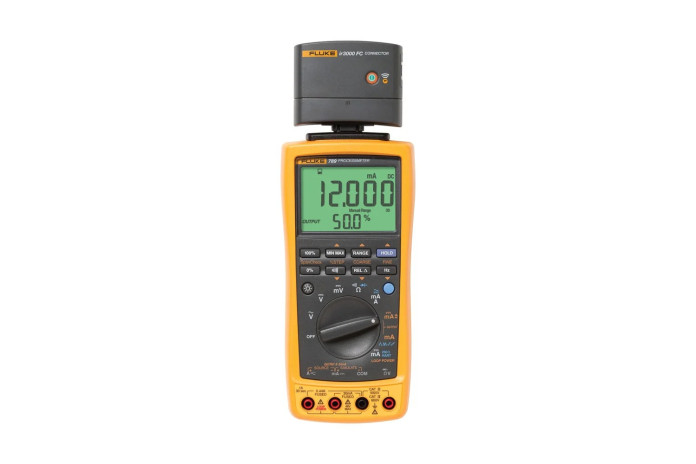
Industrial process meters are essential tools for monitoring and troubleshooting electrical systems in demanding environments. Used across a range of industries, including manufacturing, oil and gas, and utilities, these meters support technicians and tradespeople in ensuring operational efficiency, compliance, and safety. With numerous models on the market, knowing what features matter most can help professionals select a device that delivers reliable performance and value for money.
Measurement Versatility and Accuracy
At the heart of any good process meter is its measurement capability. Industrial environments demand precise readings of voltage, current, resistance, frequency, and temperature. Look for a meter with true RMS (Root Mean Square) functionality, which ensures accurate readings even when dealing with non-linear or distorted waveforms commonly found in industrial systems.
Meters that offer integrated loop calibration, especially for 4–20 mA current loops, provide added versatility, as these are standard in industrial control systems. A device with high resolution and a wide measurement range reduces the need to switch tools or compromise on accuracy.
Integrated Loop Power Supply
Many process meters now feature an internal 24 V loop power supply, which eliminates the need for a separate power source during current loop testing. This not only simplifies workflow but also reduces the amount of gear technicians need to carry on-site.
For field service and maintenance work, this feature significantly streamlines testing of transmitters and sensors, allowing professionals to simulate, measure, and power current loops with a single instrument.
Rugged Design for Harsh Conditions
Industrial environments can be punishing. Process meters must withstand dust, moisture, vibration, and accidental drops. Choose a model with a durable housing and a safety rating appropriate for the working environment, such as CAT III or CAT IV, to ensure the tool remains safe and functional over time.
Ingress protection ratings (like IP54) are useful indicators of a meter’s resistance to dust and water, especially for those working outdoors or in high-humidity conditions.
Data Logging and Remote Capabilities
For complex troubleshooting or long-term monitoring, data logging is a critical feature. Meters with built-in memory allow users to record measurements over time, enabling trend analysis and better fault detection.
Additionally, remote display functionality, whether through wireless modules, Bluetooth, or detachable screens, can enhance safety and accessibility, especially when readings must be taken from within panels or confined spaces.
Compatibility with Calibration and Maintenance Tools
Process meters are often used in conjunction with calibration equipment. It is advantageous to select models that support simulation and sourcing of signals, enabling full end-to-end calibration of instruments like pressure transducers, temperature sensors, and flow meters.
While some brands like Extech and Klein Tools offer process meters, they often lack the advanced features and reliability that professionals require. Fluke, known for its robust and versatile measurement instruments, offers process meters that cater precisely to these needs. For instance, when considering the features to look for in a Fluke process meter for industrial use, many technicians point to sourcing and simulation functions, integrated loop power, and HART communication support as key factors that make their tasks more efficient.
Battery Life and Power Management
Given the mobile nature of most industrial maintenance tasks, long battery life is more than just a convenience—it’s a necessity. Choose meters with low power consumption and auto power-off features to preserve battery life. Some high-end meters also support rechargeable battery packs, reducing waste and long-term cost.
Ease of Use and Interface
Clear, backlit displays, intuitive menu navigation, and one-handed operation are essential when working in dimly lit, crowded, or elevated environments. The ability to save user preferences, quickly switch between modes, and access key functions without deep menu diving helps reduce errors and improve productivity.
Making the Right Choice for Demanding Environments
Industrial process meters are indispensable tools for tradespeople and technicians who rely on them for safe, accurate, and efficient diagnostics. When selecting the right meter, features like measurement precision, integrated loop power, robust construction, and compatibility with calibration tools should be prioritised. By focusing on the specific demands of industrial use cases, professionals can choose a tool that not only meets but exceeds expectations in the field.