
Renting a self-storage unit has become a practical solution for many people who need extra space for their belongings. Whether it is because of a move, a renovation project, or simply running out of space at home, storage facilities provide a safe and convenient option. Choosing the right unit involves more than just finding a space with a lock. It requires an understanding of location, size, security, accessibility, and cost. With a thoughtful approach, you can make the most of a storage rental and feel confident that your possessions are kept safe until you need them again.
https://unsplash.com/photos/a-row-of-storage-units-with-yellow-doors-9OfBsfty2x4
Choosing the Right Location
The first step when renting a self-storage unit is selecting the right location. Convenience plays a large role, especially if you expect to access your items regularly. Some people prefer a facility close to their home, while others may choose one near their workplace. Storage units are now available in both urban and suburban areas, giving renters a variety of options. If you are considering Australian self storage solutions, you will notice that facilities are spread across cities and regional towns, making it easier to find one that suits your needs without a long drive. Proximity can save both time and travel expenses, so the location should not be overlooked when making a decision.
Understanding Different Unit Sizes
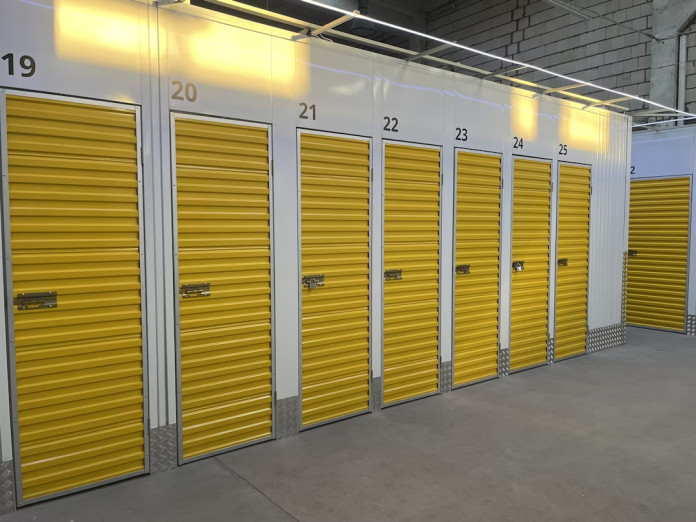
Self-storage units come in a wide range of sizes, from small lockers suitable for a few boxes to large spaces that can hold furniture, vehicles, or business inventory. Selecting the right size prevents you from paying for unused space or struggling with an overcrowded unit. Before renting, take an inventory of the items you plan to store. Stackable items may fit in a smaller unit, while irregularly shaped furniture often requires more room. Many facilities provide size guides or allow you to view units before committing, which helps in visualizing how your belongings will fit. Thinking about possible future storage needs can also guide your choice, especially if you expect to add more items over time.
Security Features and Peace of Mind
One of the main concerns when storing belongings outside the home is security. Modern storage facilities often include surveillance cameras, coded entry systems, alarmed units, and on-site staff. These measures reduce the risk of theft and give renters confidence that their possessions are protected. Lighting inside and around the facility adds another layer of safety, particularly if you plan to visit during early mornings or evenings. When selecting a unit, consider how secure the locks are and whether the facility has a history of reliable protection. Knowing that strong security is in place allows you to store valuables without constant worry.
Accessibility and Convenience
https://unsplash.com/photos/a-woman-is-opening-a-locker-in-the-hallway-8q1sbddl8hc
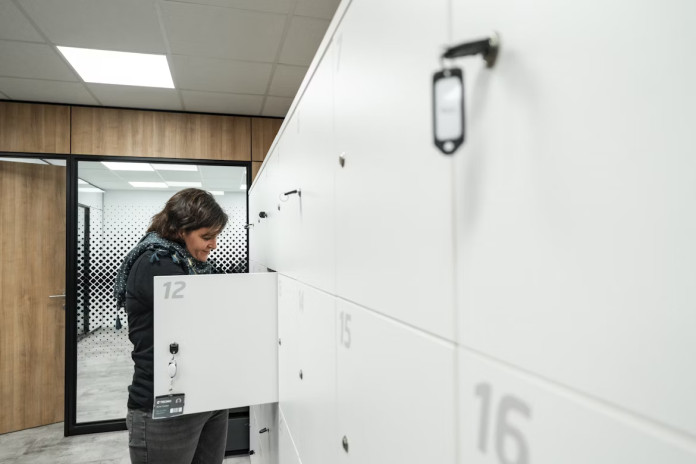
Easy access to a storage unit can make a big difference in how useful it is. Many facilities offer extended access hours or 24-hour availability, allowing renters to collect or deposit items on their schedule. Drive-up units make loading and unloading straightforward, while indoor units often provide trolleys and lifts for moving heavier belongings. Some locations even provide covered loading bays, which can be helpful during bad weather. Accessibility features should match your lifestyle and storage habits, so that retrieving items is not a hassle. A unit that balances convenience and practicality will serve you much better in the long run.
Cost and Rental Terms
The price of a storage unit depends on several factors, including location, size, and extra features such as climate control or advanced security. Comparing different facilities can help you find the best value. Many companies offer promotional rates for new customers or discounts for long-term rentals, so it can be useful to ask about special deals. Reading the rental agreement carefully is also crucial, as it outlines policies on payment schedules, access, insurance, and late fees. A transparent contract with fair terms helps avoid unexpected costs. By weighing price against features, you can find a storage solution that fits both your budget and requirements.
Making the Most of Your Storage Space
Once you have chosen a unit, organization becomes the key to maximizing its usefulness. Placing larger items at the back and leaving space for walkways allows easy access without unloading everything. Clear labeling on boxes saves time when searching for specific items. Shelving units inside the storage space can help keep things tidy and prevent items from being stacked too high. If you are storing delicate belongings, using protective covers or climate-controlled units can extend their lifespan. A little planning at the start often leads to a much smoother storage experience, making it easier to find and retrieve belongings when you need them.
Renting a self-storage unit can provide a practical solution for both short-term and long-term needs. The process begins with choosing the right location and extends to considering unit size, security, accessibility, cost, and organization. Each of these factors plays a role in creating a stress-free experience. With careful thought and planning, storage can transform from a temporary fix into a reliable extension of your home or business. Whether you need a small space for personal items or a larger unit for commercial use, the right choice will give you peace of mind and extra room to breathe.