
When people think about home design, they often place furniture, wall colors, and flooring at the top of their priority list. Lighting is sometimes left as an afterthought, yet it is one of the most powerful tools in shaping how a space feels and functions. The right kind of lighting does far more than brighten a room. It can define atmosphere, highlight textures, create a sense of intimacy, and even influence how large or small a space appears. Good design starts with recognizing how light interacts with architecture and décor. Ignoring this dimension of design can leave a home looking flat and unfinished, no matter how carefully chosen the furnishings may be.
https://unsplash.com/photos/a-lamp-with-a-shade-zeqGVBOoFx4
The Allure of Wall Lighting
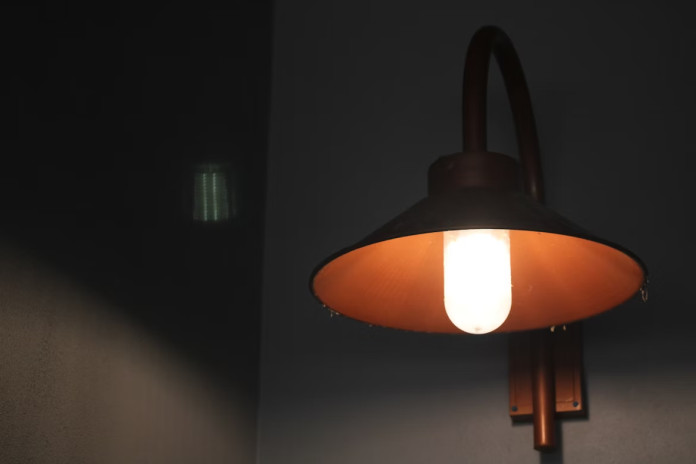
Wall lighting brings character into spaces in ways that ceiling fixtures alone cannot achieve. Beyond providing illumination, wall fixtures can become decorative statements that frame the mood of a room. The placement of designer wall lamps to elevate interiors shows how functional lighting doubles as an artistic element, transforming walls into focal points rather than leaving them bare. These lamps add dimension by directing light across surfaces, creating shadows that give depth and texture. They are particularly effective in hallways, bedrooms, and living areas where overhead lighting might feel too harsh or one-dimensional. A carefully selected wall lamp can tie a design scheme together, introducing elegance and personality while making the light source itself part of the décor.
Creating Ambience with Layers of Light
A well-designed room often relies on a layered lighting strategy. Relying solely on one type of light fixture can flatten the character of a space, making it appear either too stark or too dim. By blending ambient, task, and accent lighting, a room becomes adaptable to different needs. For example, a living area might use a central pendant or chandelier for overall illumination, floor lamps for reading corners, and subtle accent lights to highlight artwork or architectural features. The interplay between these layers allows homeowners to shift the atmosphere, moving from a bright setting for family activities to a softer glow for evenings of relaxation. Each layer adds flexibility, turning lighting into a tool that supports both lifestyle and aesthetic goals.
Lighting as a Tool for Spatial Perception
Light can alter how the size of a room is perceived. A compact space often feels more comfortable when lit evenly across its surfaces, avoiding heavy shadows that shrink the visual boundaries. On the other hand, large rooms benefit from pockets of light that break the space into zones, making them feel welcoming instead of cavernous. Even ceiling height can be manipulated with lighting. Upward-directed fixtures give the impression of added height, while downward-facing shades create intimacy. Designers often experiment with directional light to accentuate architectural details like beams, alcoves, or textured walls, making the structure itself part of the decorative scheme. This dynamic use of light reshapes how people experience their homes beyond the furnishings they choose.
The Relationship Between Light and Color
Every interior palette interacts differently with light. The same wall paint can appear warm in daylight and cool under artificial bulbs. This shift influences the entire tone of a room. A space painted in rich, deep shades may look heavy if lit poorly, but when paired with thoughtfully placed lamps and warm light temperatures, it gains depth and sophistication. On the other hand, bright, neutral walls can look flat if flooded with uniform light but come alive when varied sources highlight textures and corners. Choosing the right bulb temperatures becomes just as crucial as selecting the paint itself. Warm tones generally create a welcoming atmosphere for living rooms and bedrooms, whereas cooler tones work well in kitchens or workspaces where clarity is needed. Balancing color and light is what transforms design choices from static to dynamic.
Choosing Fixtures that Reflect Personality
https://unsplash.com/photos/gold-and-red-pendant-lamps-NGb91VwnOWY
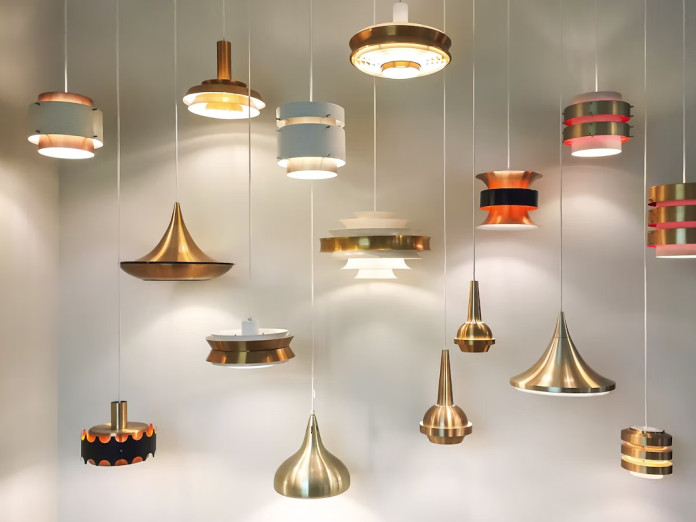
Light fixtures are more than sources of illumination; they are pieces of décor that reflect personality and taste. A sleek, modern chandelier conveys refinement, while rustic sconces introduce warmth and charm. The choice of materials, from glass to brass to natural fibers, shapes the tone of a room. Even within a single home, different styles can coexist in ways that reflect the function and character of each space. A bold pendant might anchor the dining area, subtle recessed lighting can support the kitchen, and artistic wall lamps can create a gallery-like effect in a hallway. These choices are not purely decorative but signal how the homeowner wants each space to be experienced. The right fixture can turn ordinary architecture into a carefully curated environment.
Lighting is often underestimated, yet it has the power to transform spaces more profoundly than many other design elements. It frames the way we see color, shapes our perception of space, influences our moods, and turns ordinary walls into striking focal points. Those who treat it as an afterthought miss an opportunity to create rooms that truly come alive. By recognizing its potential, homeowners can elevate design choices and bring warmth, depth, and personality into every corner of their living spaces.