
?

Instagram is one of the most popular social platforms for personal connections, creative expression, and building online communities. Whether you’re sharing everyday updates or running a professional account, follower numbers play a big role in how you measure your reach. This naturally leads to a common question: Can you really see who unfollowed you on Instagram?
The short answer is yes, but with some limitations. Instagram itself does not provide a direct “unfollower list.” However, third-party tools and practical methods can give you insights into who has stopped following your account. Among these, Instagram Unfollowers Tracker, a sub-feature of Dolphin Radar, has become an increasingly popular option because of its simplicity and transparency.
Introducing Instagram Unfollowers Tracker
The Instagram Follower Loss Tracker by Dolphin Radar works differently from most apps and services. Here are the key facts:
- No login required: You do not need to enter your Instagram credentials.
- Anonymous usage: Your searches are private, and no one is notified.
- Only a username is needed:Simply type in a public Instagram handle.
- Based on public information: It works by analysing publicly available follower data.
Because it doesn’t ask for passwords or account permissions, it reduces the risks associated with many other tracking apps. For ordinary Instagram users, this means a safer way to satisfy curiosity about unfollowers. For influencers and creators, it provides audience insights without compromising account security.
Why People Care About Unfollowers
Understanding who unfollowed you can feel personal, but there are also strategic reasons behind it. People care about unfollowers for several reasons:
- Personal curiosity: Individuals often want to know if friends or acquaintances have disconnected from them.
- Audience insights: Creators and influencers depend on followers for engagement and potential income. Drops in followers can signal content that isn’t resonating.
- Community management: Small businesses and community pages monitor unfollowers to adjust strategies, refine branding, and keep engagement levels steady.
- Feedback loop: If a large number of followers leave after a specific post or campaign, that trend provides feedback on what works and what doesn’t.
In short, unfollower tracking helps people interpret shifts in their social media relationships and improve future communication.
How Unfollow Tracking Works in General
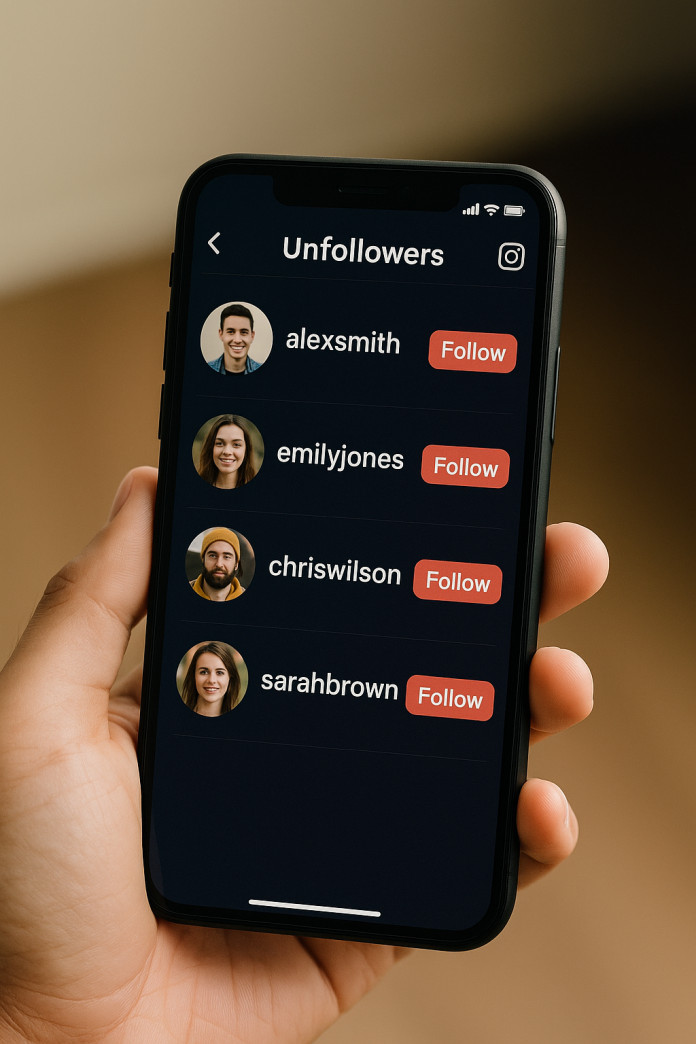
Instagram unfollower tracking with snapshots, comparisons, and clear results using Dolphin Radar.
At its core, unfollow tracking is about comparing snapshots of a user’s followers over time. Since Instagram doesn’t provide a built-in unfollow log, tools need to monitor changes between one point in time and another.
- Data collection: The tool looks at the list of followers attached to a username.
- Comparison: It compares the current list to a previous snapshot.
- Result: Any names missing from the new list are identified as unfollowers.
Services like Dolphin Radar’s tracker simplify this by doing the comparison for you. Instead of scrolling manually through hundreds or thousands of followers, the tool presents clear results.
Options for Seeing Who Unfollowed You
There are several ways people try to see who unfollowed them on Instagram:
1. Manual Checking
The simplest approach is visiting your follower list and comparing it to memory or screenshots. This works for small accounts but is time-consuming and impractical once your audience grows.
2. Third-Party Apps
Some apps promise real-time alerts when someone unfollows you. However, many of these apps require login access to your Instagram account, raising security and privacy concerns. They may also violate Instagram’s terms of service, risking account restrictions.
3. Online Tools
Web-based tools, like Dolphin Radar’s Instagram Unfollowers Tracker, provide a middle ground. They don’t ask for your login and instead use publicly visible data. This makes them accessible, safer, and easy to try without long commitments.
Dolphin Radar Compared to Other Methods
When comparing Dolphin Radar’s unfollow tracker to other options, several differences stand out:
- Safety: Unlike many mobile apps, Dolphin Radar does not require access to your Instagram account. This reduces risk.
- Accessibility: It works in a web browser with just a username. No installation is needed.
- Transparency: Results are based on public information, making the process clear and easy to understand.
- Limitations: Like all unfollow trackers, it can only analyse what is publicly visible. Private accounts, for example, remain inaccessible unless you follow them.
For everyday users, this combination of safety and convenience often makes Dolphin Radar a better fit than downloading third-party apps.
Practical Scenarios Where Unfollower Insights Help
Tracking unfollowers isn’t only about curiosity. Here are real situations where it can be useful:
- Improving content quality: If unfollows spike after a certain type of post (e.g., long reels or brand promotions), creators can reconsider their strategy.
- Timing and frequency: Some users unfollow when they feel overwhelmed by frequent posting. Monitoring trends can help strike a better balance.
- Audience targeting: Small businesses can see whether their audience responds positively to new product launches or marketing campaigns.
- Personal decisions: For individuals, noticing repeated unfollows may highlight shifting social dynamics, helping them decide how they want to engage.
Unfollower data should not be taken too personally, but when viewed as feedback, it becomes a useful tool for growth.
The Limits of Unfollower Tracking
While tools like Dolphin Radar provide value, it’s important to acknowledge limitations:
- No official Instagram feature: Instagram does not directly tell you who unfollowed you. Any method involves comparing follower lists.
- Data accuracy depends on timing: If you don’t check frequently, you may miss the exact moment someone unfollowed.
- Private accounts remain hidden: Unless you already follow them, unfollower trackers can’t access private profiles.
- Potential over-analysis: Obsessively tracking unfollowers can lead to unnecessary stress and distraction.
Recognising these boundaries helps set realistic expectations.
Balanced Advice for Managing Social Media Relationships
Use Instagram unfollower insights to refine content, build engagement, and grow authentically.
So, can you really see who unfollowed you on Instagram? Yes with the help of third-party tools and trackers like Dolphin Radar, you can identify unfollower trends. For casual users, this satisfies curiosity. For influencers and businesses, it offers a way to refine content and strategy.
At the same time, it’s best to treat unfollower data as guidance rather than a verdict on your worth. People unfollow for many reasons: changing interests, reduced social media use, or a preference for different content. These reasons are often unrelated to your value as a person or creator.
The healthiest approach is to use unfollower tracking as part of a broader strategy:
- Focus on building authentic engagement.
- Use insights to adapt your content, not to dwell on numbers.
- Remember that meaningful connections matter more than raw follower counts.
Frequently Asked Questions About Instagram Unfollowers
1. Does Instagram show who unfollowed you directly?
No, Instagram does not provide a built-in feature that tells you who unfollowed you. You can only see your current followers, not a log of people who left. To track unfollowers, you need to compare follower lists manually or use third-party tools.
2. Is it safe to use unfollower tracker apps?
It depends. Some apps ask for your Instagram login, which can pose privacy and security risks. Safer options, like Dolphin Radar’s Instagram Unfollowers Tracker, do not require login details and only use public information.
3. Can I see unfollowers from private accounts?
No. If a profile is private and you don’t follow it, you cannot see its follower activity. Unfollower trackers can only analyze publicly available data.
4. Why do people unfollow on Instagram?
People unfollow for many reasons: changing interests, reduced activity, content fatigue, or simply reorganizing their feed. It doesn’t always mean they dislike you or your content.
5. How often should I check who unfollowed me?
Checking too often can create unnecessary stress. For creators and influencers, reviewing unfollower trends once every few weeks is usually enough to spot useful patterns and adjust strategy if needed.
Final Thoughts
Unfollower tracking taps into both curiosity and strategy. By comparing follower lists over time, tools like Instagram Unfollowers Tracker from Dolphin Radar make the process easy, safe, and anonymous. Whether you’re an ordinary Instagram user or a growing influencer, knowing who unfollowed you can help shape your online presence, provided you use that knowledge thoughtfully.
Follower counts will always rise and fall. What matters most is how you engage with those who stay.