
Personalization has become a defining trait in the gaming world among young players. Gone are the days when kids could only rely on the base features of a game: now, they can curate their experiences through various add-ons. These enhancements include skins, mods, and third-party purchases that allow for a deeper connection to the game itself.
Personalization in gaming represents a unique blend of creativity and individuality, as young players seek ways to make their gaming adventures distinctly their own. Let’s explore how children utilize gaming add-ons to enrich their experiences and the implications of these choices.

What Are Gaming Add-Ons?
Gaming add-ons are supplementary items that improve gameplay and introduce new elements to the game. They can range from simple cosmetic changes to extensive modifications that alter game mechanics. Skins are popular add-ons that allow players to change the appearance of their characters or items without affecting gameplay. Mods may include entirely new missions, areas, or gameplay features that can transform the original game experience into something unique.
As they explore various add-ons, they learn to navigate community platforms where these modifications are shared and rated. Now, players are more willing to invest in personalized experiences and mark a shift in how games are consumed and enjoyed.
The Impact of Microtransactions
Many modern games use microtransactions to offer additional content, such as skins or special items, for a price. Microtransactions can encourage a competitive environment as players think that purchasing add-ons gives them an edge in gameplay. Note that not all add-ons require a monetary investment. Some kids creatively earn in-game currency through gameplay to acquire desired items, and others may call upon their parents to make their purchases.
Those buying from third-party sellers must know if the site is secure. Kids who love playing soccer games must be aware of where to buy FC 26 coins safely online so that their gaming experience is worth the investment. Parents and guardians need to discuss the implications of spending in gaming environments to avoid developing bad spending habits.
The Rise of Community-Made Content
The gaming community can contribute to the creation and distribution of add-ons. Some games now support modding, inviting players to share their modifications with others. This encourages creativity and collaboration, as kids can learn from one another and experiment with different styles and features. Platforms like Steam Workshop and Nexus Mods provide an accessible way for gamers to discover, download, and install mods created by the community.
Various forums and social media groups are dedicated to discussing these mods and offering a space for sharing tips and tricks. Joining a community to explore add-ons brings a sense of belonging for young players seeking camaraderie in their hobbies.
Improving Gameplay with Customization
With a plethora of available add-ons, children can personalize everything from character appearances to game mechanics. Many kids opt for add-ons that improve gameplay experiences or streamline tasks within the game. By integrating various mods, players can create unique combinations and transform their gameplay into something tailored to their preferences. Customization allows for experimentation: what works for one player might not work for another, encouraging exploration and creativity.
Personalized gameplay can result in showcasing skills in a way that’s their own. When children invest time in customizing their gaming experiences, they enjoy the games more and develop ownership and pride in their unique setups. This triumph in creating a tailored gaming environment cultivates a deeper appreciation for the game itself.
Educational Benefits of Add-Ons
There are many educational benefits tied to the use of gaming add-ons. Through the process of searching for, downloading, and installing add-ons, kids develop critical skills they can use in real-world scenarios. They learn about file management, how to troubleshoot installation issues, and the importance of reading user reviews to gauge the quality of a mod.
Creating custom content can help children understand coding principles in more complex games that support scripting or programming. This exposure can spark interest in computer science, design, or digital art. When kids personalize their gaming experiences, they hone their imaginative thinking and problem-solving abilities.
The Future of Personalization in Gaming
Virtual and augmented reality are already beginning to improve how players interact with games, presenting opportunities for more dynamic add-ons. Imagine a future where players can personalize their gaming environments through VR, immersing themselves even further into their adventures.
Developers may see the value in creating more robust and customizable platforms that allow for user-generated content. This could involve more adaptive modding tools that make it easier for children to create and share their own designs seamlessly. Players will seek out their unique expressions within games. The ongoing evolution of gaming guarantees that young adventurers will continue to discover new ways to improve their experiences through innovative add-ons.
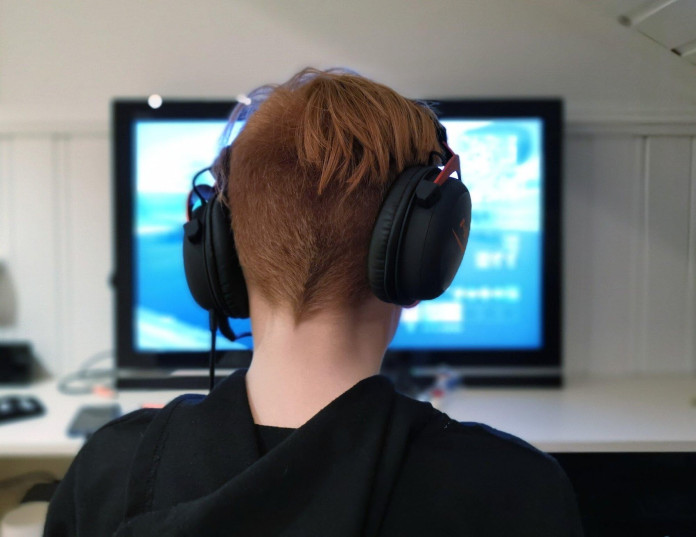
Kids can now take control of their gaming experiences through add-ons. From community-made content to the opportunities for deeper engagement, this trend improves gameplay and offers educational benefits. The personalization journey for young players shows no signs of slowing down.