
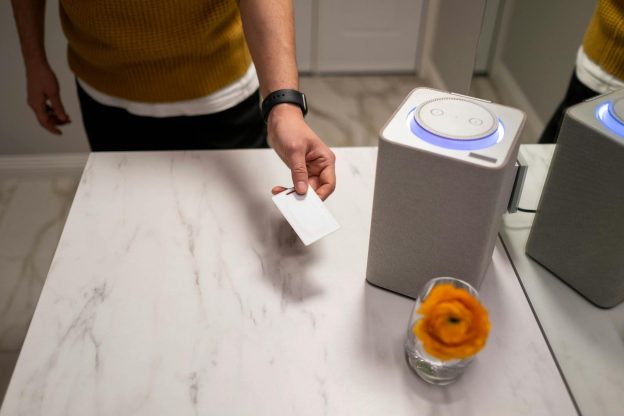
Smart home systems have revolutionized how we live, making homes more convenient, efficient, and secure. As technology continues to advance, these systems are not just focused on managing lighting, security, or entertainment but are also enhancing home sustainability. One of the most overlooked yet crucial aspects of home sustainability is the roof. While it’s easy to focus on insulation, ventilation, and materials, smart home systems are playing a significant role in improving roof performance and extending its lifespan. This blog post will explore how integrating smart technologies can contribute to roof performance and sustainability, leading to smarter, more eco-friendly homes.
Smart Thermostats and Roof Insulation
Smart thermostats are a cornerstone of smart home systems, and their influence on roof performance is undeniable. These devices allow homeowners to control the temperature in their homes more efficiently by adjusting heating and cooling based on occupancy patterns and weather forecasts. When connected to the roof’s insulation system, smart thermostats can help maintain consistent indoor temperatures, preventing the roof from experiencing temperature extremes that can lead to wear and tear over time. For instance, in hot climates, reducing excessive heat buildup in the attic can lower the risk of roofing material deterioration, helping maintain the structural integrity of the roof for longer.
Weather Monitoring and Predictive Maintenance
Smart home systems equipped with weather monitoring technology can help homeowners protect their roofs from extreme conditions. These systems track real-time weather data, predicting heavy rain, snow, or strong winds, allowing homeowners to take preventive measures. When severe weather is imminent, hiring professionals for storm damage roof repairs & emergency services ensures that minor issues don’t escalate into costly damage. Smart sensors can also schedule inspections based on weather trends, reducing the risk of leaks, mold, or structural deterioration.
Roof Ventilation and Smart Sensors
Proper roof ventilation is critical to preventing issues such as mold growth, moisture buildup, and even structural damage to the roof. With the advent of smart sensors, homeowners can monitor ventilation levels in real time and receive alerts if their roof is at risk of becoming too humid or hot. These smart sensors can be integrated with automated attic fans or ventilation systems, ensuring that air circulation is optimized based on the current weather conditions. This proactive approach can help reduce the likelihood of roof damage caused by poor ventilation and improve the energy efficiency of the entire home, reducing overall environmental impact.
Solar Panel Integration and Smart Grid Systems
Another significant advancement in roof sustainability is the integration of solar panels. Smart home systems can connect solar panels to energy management systems, allowing homeowners to monitor energy production, consumption, and storage more efficiently. This integration can also help optimize energy use, directing excess power to battery storage or selling it back to the grid, depending on local regulations. By incorporating smart grid technology with solar panels on the roof, homeowners not only reduce their carbon footprint but also extend the lifespan of their roof by ensuring the roofing materials are less exposed to harsh weather conditions due to the insulation benefits provided by the solar panels.
Roof Cleaning and Maintenance Automation
Roof cleaning and maintenance are crucial to ensuring that the roof performs optimally over time. However, regular cleaning can be a labor-intensive and sometimes dangerous task for homeowners. Smart home systems are now offering automated solutions for roof cleanings, such as robotic cleaning devices or automated gutter systems. These devices can be programmed to clean debris, remove algae, and prevent clogging, all of which can significantly improve the lifespan of the roof. Automated systems can help homeowners stay on top of roof maintenance without requiring constant manual intervention, making it easier to maintain the roof’s integrity in the long run.
Enhancing Roof Sustainability through Smart Home Integration
The ultimate benefit of integrating smart home systems with roof performance is the boost to sustainability. By utilizing technologies that optimize energy use, ensure proper ventilation, monitor weather conditions, and even automate cleaning and maintenance, homeowners can significantly reduce their home’s carbon footprint. Not only do these systems improve the longevity and efficiency of the roof itself, but they also contribute to a broader environmental impact by decreasing reliance on non-renewable energy sources. As we move towards more sustainable living, the role of smart home systems in enhancing roof performance will become increasingly important in achieving energy-efficient, eco-friendly homes.
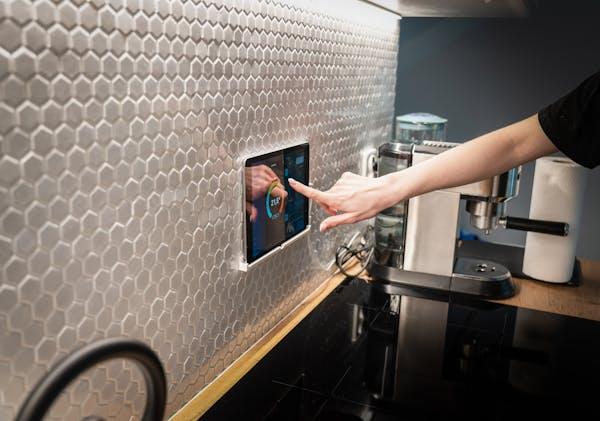
The integration of smart home systems into roof performance and sustainability is an exciting development in modern home management. By leveraging technologies such as smart thermostats, ventilation sensors, solar panel integration, weather monitoring, and automated maintenance systems, homeowners can significantly improve the durability, efficiency, and sustainability of their roofs. These advancements not only protect the home from damage but also contribute to reducing the overall environmental impact, creating homes that are smarter, more sustainable, and better prepared for the challenges of the future. As technology continues to evolve, it’s clear that smart homes will play a critical role in reshaping the way we think about home maintenance and sustainability.