
Best Formaldehyde Gas Monitors for Home in 2025 – Reviews & Buying Guide
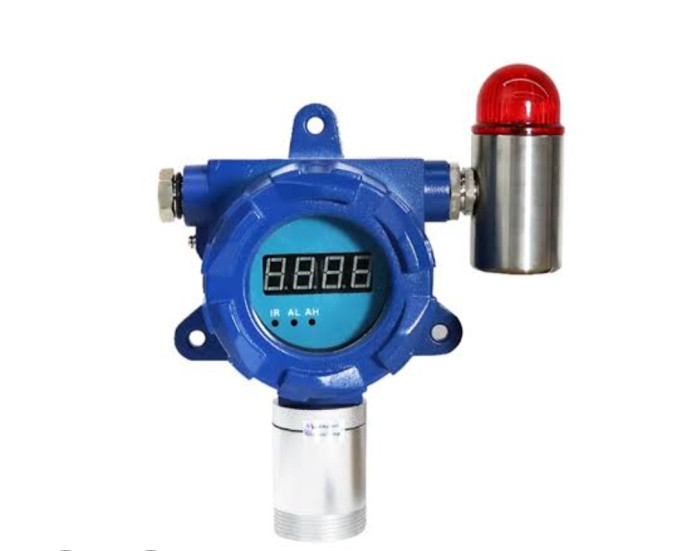
Formaldehyde (HCHO) is a toxic gas commonly found in modern households, especially in new furniture, pressed wood products, and household cleaners. While often invisible, prolonged exposure can lead to respiratory irritation, headaches, allergic reactions, and even increase the risk of certain cancers. If you’re concerned about your indoor air quality, investing in a home HCHO monitor can be one of the most effective ways to protect your family’s health.
In this guide, we review two of the most reliable formaldehyde gas monitors for home use in 2025. Both are similarly priced but cater to slightly different user priorities—making it easier for you to choose the best fit for your home and lifestyle.

Top Formaldehyde Gas Monitors for Home
1. GasDog HCHO Monitor
Best for High-Precision, Everyday Monitoring
The GasDog HCHO Monitor is a purpose-built formaldehyde detector designed for home environments. It focuses specifically on delivering reliable, accurate formaldehyde readings using an advanced electrochemical sensor. With a sleek, modern display and user-friendly interface, it’s designed for continuous indoor use without the need for complex setup.
Key Features
- Dedicated electrochemical sensor for formaldehyde
- Real-time numeric display with color-coded air quality indicators
- USB or plug-in power for 24/7 monitoring
- Compact design suitable for bedroom, nursery, or living room
- Optional alarm when HCHO levels exceed safety thresholds
Why We Recommend It
GasDog’s monitor stands out for its focus. While many multi-sensor devices attempt to cover a range of air pollutants, this model zeroes in on the most dangerous and often overlooked one: formaldehyde. It offers consistently accurate results, even during long-term use, and it doesn’t overwhelm you with unnecessary data.
For families with young children, allergy sufferers, or anyone living in a newly renovated home, this device offers a practical, effective way to monitor indoor HCHO levels and take corrective action before health is compromised.
2. EG Air Air Quality Monitor
Best for All-in-One Monitoring
The EG Air monitor is a popular multi-function air quality monitor that includes HCHO readings along with PM2.5, TVOCs (Total Volatile Organic Compounds), temperature, and humidity. Its wide-screen display shows multiple values simultaneously, making it a good choice for users who want a general overview of indoor air quality.
Key Features
- Measures HCHO, TVOC, PM2.5, temperature, and humidity
- Bright digital display with colored air quality bars
- Plug-in only (no built-in battery)
- Moderate-sized body, meant for stationary use
Why It’s on the List
EG Air provides value through versatility. If you’re interested in tracking several air quality metrics at once, it offers a solid, affordable option. It’s particularly useful in shared spaces like kitchens, home offices, or apartments where multiple indoor pollutants may accumulate.
However, some users have reported occasional fluctuations in HCHO readings and find the fixed power source limits its placement options. For users specifically concerned about formaldehyde levels, a more targeted device like the GasDog model may be more appropriate.
Product Comparison: GasDog vs. EG Air
Here’s how the two monitors compare across key criteria:
| Feature | GasDog HCHO Monitor | EG Air Monitor |
| HCHO Detection Accuracy | High (electrochemical) | Moderate (electrochemical) |
| Other Sensors | Focused on HCHO | PM2.5, TVOC, temperature, humidity |
| Power Source | USB or AC plug | AC plug only |
| Portability | High | Low (plug-in only) |
| Display Type | Numeric + color code | Multi-sensor display |
| Price Range (2025) | ~$120–140 | ~$110–150 |
Both monitors sit in a very similar price range, but the GasDog unit excels in long-term accuracy and specialized detection, while the EG Air model offers wider but less focused coverage.
Why Formaldehyde Monitoring Matters at Home
Formaldehyde can be released over months or even years after construction or renovation. It’s commonly found in:
- Composite wood furniture and flooring
- Paints, glues, and solvents
- Cleaning agents and air fresheners
- Cigarette smoke and combustion sources
According to the World Health Organization (WHO), the safe exposure level for formaldehyde is below 0.1 mg/m³. Anything above this threshold can lead to health complications—especially in children, the elderly, and people with asthma.
By using a reliable HCHO monitor, you can identify when levels become unsafe and take action, such as increasing ventilation, using air purifiers with activated carbon filters, or removing potential sources of off-gassing.
What to Look for in an HCHO Monitor
If you’re purchasing a formaldehyde detector for the first time, keep these criteria in mind:
- Sensor type: Look for an electrochemical sensor, which is far more accurate than semiconductor-based models.
- Display and readability: A simple numerical display with color indicators helps with quick interpretation.
- Power supply: USB-powered models are easier to move and place anywhere in the home.
- Alarm or alert system: Some models, including GasDog, include built-in alerts if levels exceed safe thresholds.
- Sensor focus: Dedicated HCHO monitors tend to offer better accuracy than combo models.
Final Thoughts
Choosing the right formaldehyde detector for your home depends on your needs. If you want precise, reliable, long-term HCHO monitoring, the GasDog HCHO Monitor is a clear choice. It’s purpose-built, easy to use, and trustworthy—especially in environments where health sensitivity is a top concern.
On the other hand, if you’re looking for a broader air quality snapshot, the EG Air Monitor provides more metrics in a single device, though with slightly less specialization.
No matter which device you choose, the most important thing is to stay informed. Invisible air pollutants like formaldehyde can accumulate silently—so having a good monitor in place is one of the best steps you can take to ensure a healthy home. For those looking to monitor additional gases like carbon monoxide or methane, there are also home gas detectors and alarm systems designed for broader indoor protection.
Frequently Asked Questions (FAQ)
What are the health effects of long-term formaldehyde exposure?
Long-term exposure to elevated formaldehyde levels can lead to a range of health issues, including chronic respiratory problems, skin irritation, allergic reactions, and eye discomfort. In more serious cases, the World Health Organization classifies formaldehyde as a known human carcinogen, with links to nasopharyngeal cancer and leukemia. Sensitive groups such as children, the elderly, and individuals with asthma are especially at risk.
What is a safe formaldehyde level indoors?
According to WHO guidelines, formaldehyde should not exceed 0.1 mg/m³ indoors. Levels above this may cause health issues over time, particularly in vulnerable individuals.
Do all air quality monitors detect formaldehyde?
No. Many budget air monitors only measure PM2.5 or TVOCs. To detect HCHO specifically, ensure the monitor uses an electrochemical sensor for formaldehyde.
Where should I place a formaldehyde monitor at home?
Place it in commonly used areas like bedrooms, living rooms, or near new furniture. Avoid placing it too close to windows or vents, as airflow can affect readings.