
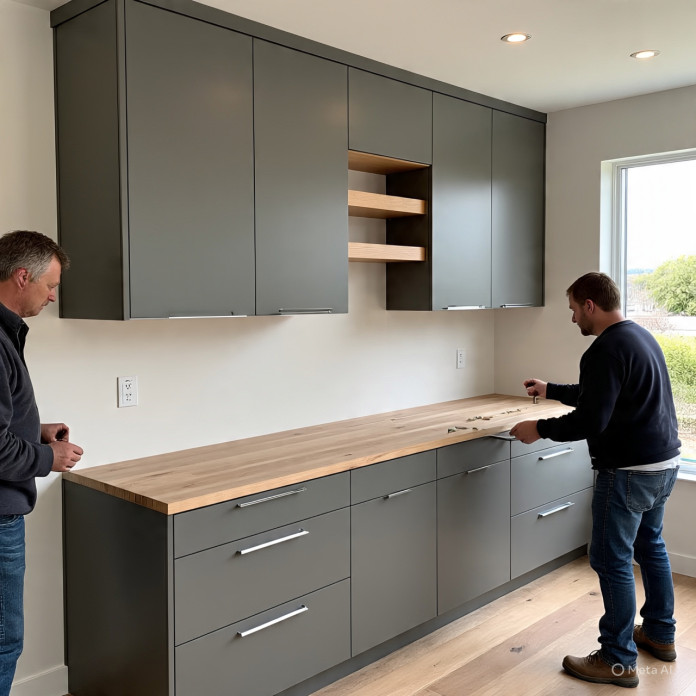
When it comes to cabinetry, homeowners are often caught between two competing priorities: style and function. Cabinets should be visually appealing, but they also need to store everything from spices to cleaning supplies without making your space feel cluttered or over-designed.
Striking the right balance can feel like a design puzzle. It’s not about choosing one over the other—it’s about creating synergy between both. That balance becomes especially important during the cabinet installation phase, where measurements, layout, and aesthetics all come into play.
Let’s explore how homeowners can make smart decisions at every stage—from design inspiration to final install—that result in cabinets that look great, work even better, and remain timeless for years to come.
Start With the End in Mind
Before you get swept up in paint swatches and hardware finishes, take a moment to assess how you actually use your space. Are your counters constantly covered with small appliances? Do you need deeper drawers for pots and pans? Or are you someone who prefers open shelving for easy access?
Understanding function should always be step one. Style evolves naturally when the underlying design is driven by real needs. You can have sleek, modern cabinets—but if they don’t fit your storage habits or cooking routine, they’ll frustrate you long-term.
Professionals like BNJ Granite & Cabinets often encourage clients to walk through a day in their kitchen or bathroom. From morning coffee to end-of-day cleanup, it’s a useful way to identify what kind of storage—and in what form—you truly need.
Design Zones, Not Walls
One of the most effective ways to plan cabinet function is by zoning your space. Rather than trying to make each wall symmetrical or fill every gap, think in terms of usage areas.
- Prep zone: Keep cutting boards, knives, and mixing bowls close to this area.
- Cooking zone: Store pots, pans, and cooking utensils near the oven or range.
- Cleaning zone: Allocate space near the sink for dish soap, towels, and trash bags.
- Coffee or snack zone: Create a mini station with mugs, coffee supplies, or easy-access snacks.
Designing these zones makes your space intuitive, reducing unnecessary steps and keeping daily activities flowing naturally. During cabinet installation, your layout can be adjusted to reflect these zones—rather than relying on a one-size-fits-all approach.
Maximize Storage Without Overcrowding
Storage is vital, but more cabinets don’t always equal better function. Too many upper cabinets can make a space feel top-heavy or dark. Too many base cabinets with deep shelves can make items harder to reach.
Instead, mix it up:
- Pull-out drawers work better than deep shelves for heavy items.
- Open shelving adds airiness and easy access for frequently used items.
- Corner solutions like lazy Susans or angled drawers prevent wasted space.
- Vertical storage can use otherwise dead space near ceilings.
Balance is key—enough storage to stay organized, but not so much that it feels overwhelming.
Choose Materials That Work as Hard as You Do
Function isn’t just about layout—it’s also about materials. High-quality cabinet boxes and hardware may not be visible once installed, but they play a huge role in longevity.
Soft-close hinges, full-extension drawers, and water-resistant finishes ensure your cabinets stay functional through years of daily use.
When it comes to finishes, consider both form and practicality. High-gloss doors may look sleek, but they can show fingerprints more easily. Textured woods hide wear but might not suit modern designs. Painted cabinets are versatile but may chip in high-use areas.
That’s why consultation with experts like BNJ Granite & Cabinets can help identify the right balance between look and durability—especially in busy households.
Focus on the Details
Once layout and function are addressed, style decisions start to take the spotlight. And in cabinetry, small details carry big weight.
- Hardware: The right knobs or pulls can completely shift the tone—from modern to traditional or farmhouse to minimalist.
- Edge profiles: These add depth and texture, offering subtle variations that personalize your design.
- Lighting: Under-cabinet lighting isn’t just functional—it adds warmth and ambiance.
- Color coordination: Matching cabinet tones with countertops, backsplashes, and flooring ensures everything ties together.
These decisions work best when they’re layered in gradually, always considering how they serve both form and function.
Leave Room for Flexibility
Trends change. Family needs evolve. And your home might be asked to serve different purposes over time. Designing a rigid cabinet system might serve you today—but will it work five years from now?
Consider built-in elements that allow for adjustments. Adjustable shelving, removable inserts, and modular drawer systems give you options. You may want to swap out a cabinet for a wine fridge someday—or convert a prep zone into a work-from-home station.
Flexibility doesn’t compromise style—it ensures your cabinets remain a valuable part of your home’s functionality for years to come.
Think Beyond the Kitchen
While kitchen cabinets get most of the attention, the same principles apply to other rooms. In bathrooms, living rooms, mudrooms, and home offices, cabinetry is just as important—and the balance between style and utility is just as critical.
For example:
- In bathrooms, floating cabinets provide storage while maintaining an airy, spa-like feel.
- In living rooms, built-ins frame fireplaces or TVs while hiding clutter.
- In laundry rooms, upper cabinets conceal cleaning supplies while base cabinets double as folding stations.
Installation professionals like BNJ Granite & Cabinets work across all these environments, tailoring the approach to each room’s specific needs and character.
Final Thought: Cabinetry That Works and Wows
Cabinets don’t need to be a choice between beauty and practicality. With thoughtful planning and precise execution, you can have both.
From smart layouts and storage innovations to color palettes and architectural detail, cabinet installation is where design and function meet—and stay united for the life of your home.
Your cabinets shouldn’t just look good on day one. They should serve your needs, reflect your style, and grow with you over time. When you achieve that balance, cabinetry becomes more than furniture—it becomes a feature.