
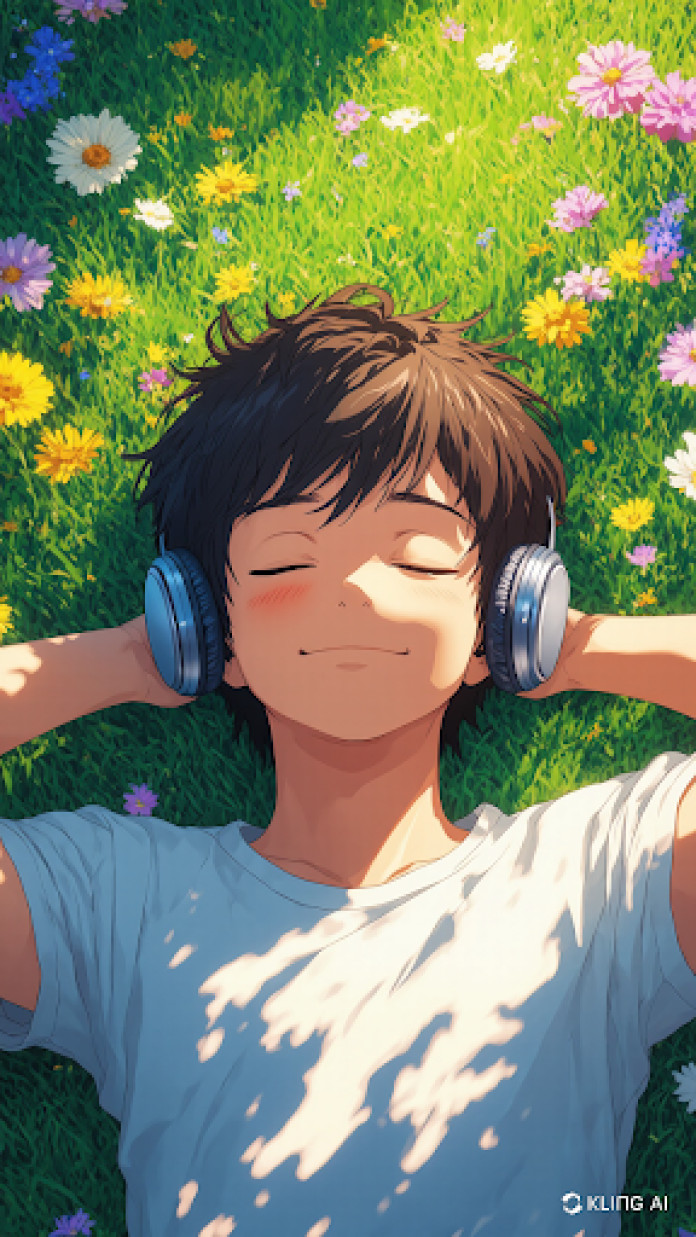
The digital content creation landscape is undergoing a revolutionary transformation with the emergence of AI Text-to-Image Generators. For content creators, artists, and marketers, the traditional image creation process has long been a bottleneck, demanding countless hours of manual design work and technical expertise. Enter generative AI technology – a groundbreaking solution that’s democratizing visual content creation. These powerful tools are reshaping how we approach digital artistry, offering unprecedented speed in translating ideas into stunning visuals, unleashing creative possibilities previously confined to the realm of professional designers, and making high-quality image creation accessible to everyone. Whether you’re a social media manager seeking eye-catching graphics, a marketer crafting campaign visuals, or an artist exploring new creative horizons, mastering generative AI tools has become essential. This comprehensive guide will walk you through the cutting-edge world of AI-powered image generation, providing you with the knowledge and techniques to harness these tools effectively and transform your visual content creation process.
Understanding Generative AI for Visual Content
Generative AI represents a quantum leap in visual content creation, built on sophisticated neural networks that transform text descriptions into vivid imagery. These systems analyze billions of image-text pairs during training, learning to recognize patterns, styles, and visual concepts. Unlike traditional design tools that require manual manipulation, modern AI generators interpret natural language prompts by breaking them down into visual components, considering elements like composition, lighting, and artistic style. The technology has evolved from basic pattern recognition to creating highly nuanced, contextually aware images that can match specific creative visions. While early systems struggled with coherence and detail, current models excel at understanding complex prompts and generating photorealistic outputs. However, these tools still face challenges with precise human anatomy, text rendering, and maintaining perfect symmetry. Recent breakthroughs include improved understanding of spatial relationships, enhanced style consistency, and better handling of abstract concepts. The quality of training data remains crucial, with systems trained on curated, high-quality datasets producing superior results. As the technology continues to mature, we’re seeing increased capabilities in areas like maintaining brand consistency and generating images that adhere to specific artistic guidelines.
Top AI Tools Transforming Content Creation
Leading Solutions in Image Synthesis
Among the standout platforms in this space, Kling AI has emerged as a pioneering force in image synthesis technology, offering creators unprecedented control over visual outputs through its advanced neural processing engine. The platform excels in precise style adaptation, allowing users to maintain consistent brand aesthetics across multiple generations. Unlike traditional design software that requires manual manipulation of every element, its intelligent algorithms understand context and artistic intent, automatically adjusting composition, lighting, and color harmony. The system particularly shines in commercial applications, enabling rapid prototyping of marketing materials, product visualizations, and custom illustrations that previously required extensive professional design time.
Integrated Media Solutions
Modern content creation demands seamless integration across multiple media types, and today’s AI platforms deliver comprehensive solutions. These integrated systems enable creators to generate cohesive visual content across images, videos, and animations from a single prompt. Advanced batch processing capabilities allow teams to produce entire campaigns worth of variations while maintaining style consistency. The platforms offer robust API connections, enabling smooth workflow integration with existing content management systems. Cross-platform compatibility ensures that generated assets meet specifications for various social media platforms, web applications, and print media automatically. This integration extends to collaboration features, allowing multiple team members to work simultaneously on projects while maintaining version control and brand guidelines.
Step-by-Step Image Generation Process
Crafting Effective Text Prompts
Success in AI image generation begins with mastering prompt creation. Start with clear, specific descriptors that define the core subject, then layer in style elements like “photorealistic,” “oil painting,” or “digital art.” Include composition details such as “close-up,” “aerial view,” or “wide-angle shot” to control perspective. Enhance results by specifying lighting conditions, color schemes, and mood indicators. Avoid vague terms like “nice” or “beautiful,” instead using precise descriptors like “vibrant,” “muted,” or “high-contrast.” When results aren’t perfect, iterate by adjusting keywords systematically, keeping track of which modifications yield improvements.
Workflow Integration
Seamlessly incorporate AI generation into existing creative processes by leveraging API connections. Set up automated workflows that trigger image generation based on content calendar events or client approvals. Establish consistent naming conventions and folder structures for generated assets. Implement collaborative review processes where team members can rate and comment on generated images. Create template prompts for recurring content types to maintain consistency across campaigns. Use webhooks to automatically notify team members when new images are ready for review.
Post-Processing Techniques
Enhance AI-generated images through strategic post-processing. Use AI-powered upscaling tools to increase resolution while maintaining quality. Apply selective adjustments to specific areas using smart masking features. Correct any anatomical inconsistencies or artifacts through targeted retouching. Optimize file formats based on platform requirements – JPEG for web, PNG for transparency needs, and WEBP for modern websites. Add appropriate metadata including alt text, copyright information, and keywords to improve searchability and tracking. Create multiple variants optimized for different aspect ratios and file size requirements across social media platforms. Implement automated quality checks to flag potential issues like blur, noise, or compression artifacts.
Optimizing Output for Professional Results
Achieving professional-grade results with AI-generated images requires strategic optimization across multiple dimensions. For resolution management, always generate images at the highest available quality, then downscale as needed while maintaining aspect ratios appropriate for each platform – 1:1 for Instagram posts, 16:9 for YouTube thumbnails, and 9:16 for Stories. Brand consistency demands careful attention to color palettes, typography, and visual elements; create a prompt library with pre-defined style parameters that align with brand guidelines. When working with AI-generated content, implement a comprehensive quality assurance process: check for anatomical accuracy, lighting consistency, and unwanted artifacts. Consider accessibility by ensuring sufficient color contrast and including descriptive alt text for screen readers. Regarding copyright compliance, maintain detailed records of generation parameters and timestamps, implement clear usage policies for AI-generated content, and avoid reproducing trademarked elements or copying specific artists’ styles without permission. Establish a standardized workflow that includes regular backups of original files, version control documentation, and organized asset management systems. For optimal platform performance, compress images appropriately while preserving quality, implement lazy loading for web applications, and use modern formats like WEBP where supported.
The Future of AI-Powered Visual Creation
The emergence of generative AI tools has fundamentally transformed the landscape of visual content creation, democratizing access to high-quality image generation capabilities. These powerful systems have effectively addressed the long-standing challenges of time-intensive design processes and technical barriers, enabling creators of all skill levels to produce professional-grade visuals efficiently. By mastering prompt engineering, workflow integration, and optimization techniques, content creators can now leverage AI to produce consistent, brand-aligned imagery at scale. As the technology continues to evolve, we can expect even more sophisticated features, improved accuracy, and broader creative possibilities. The key to success lies in adopting these tools strategically, combining their capabilities with human creativity and judgment. For organizations and individuals looking to stay competitive in the digital space, now is the time to integrate AI image generation into existing workflows. Start with small projects, experiment with different tools and techniques, and gradually expand usage as comfort and expertise grow. The future of visual content creation is here, and those who embrace these transformative technologies will find themselves well-positioned to meet the growing demands of digital communication and marketing.