
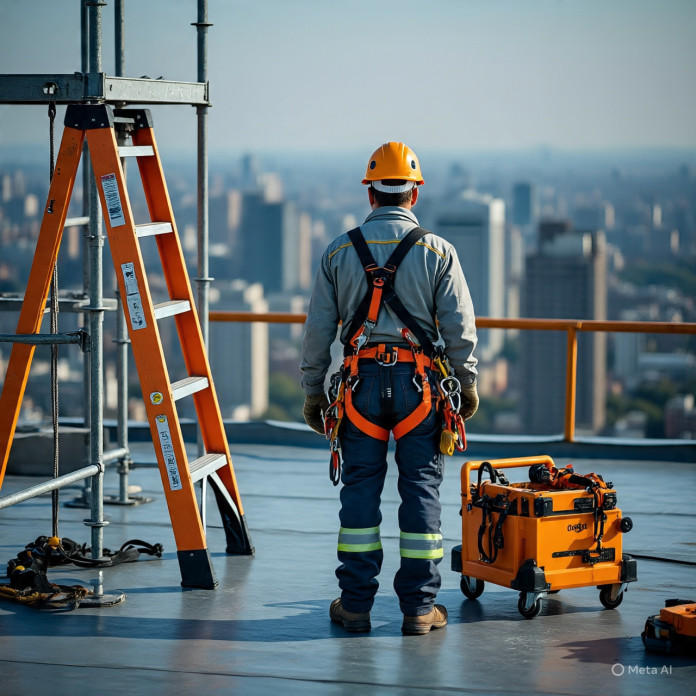
Working at heights presents unique challenges in construction, maintenance, and various industrial applications. Whether it’s installing signage, inspecting rooftops, painting multi-story buildings, or managing utilities, having the right equipment to reach elevated spaces safely and efficiently is critical. Among the most effective solutions for these tasks is the boom lift—a versatile aerial work platform designed to provide both vertical and horizontal reach.
While boom lifts are essential for many high-access tasks, not every business needs to own one. For short-term projects, infrequent use, or budget-conscious operations, renting offers a practical and cost-effective alternative. In this article, we’ll explore the advantages of renting boom lifts, the types available, key factors to consider, and how to maximize your investment in temporary access equipment.
What Is a Boom Lift?
A boom lift, also known as a cherry picker or man lift, is a type of mobile elevated work platform (MEWP) that provides access to areas at height with the ability to extend outward. Unlike scissor lifts, which move only vertically, boom lifts feature articulating or telescoping arms that allow for more versatile positioning and reach.
They are used extensively across industries such as:
- Construction and demolition
- Facility maintenance
- Utility services
- Film and event production
- Window cleaning and exterior repair
Boom lifts provide access to areas that would be difficult or impossible to reach using ladders or scaffolding. They also offer a secure, stable platform for workers to operate tools or perform tasks at height.
Benefits of Renting Over Buying
For many companies, renting access equipment like boom lifts is more sensible than purchasing. The decision comes down to usage frequency, budget, and operational flexibility.
1. Cost-Effectiveness
Boom lifts are expensive to purchase and maintain. If you only need the equipment for a few days, weeks, or even a few months out of the year, buying may not be financially viable. Rental allows you to pay only for what you use, with no large capital investment.
2. No Maintenance Worries
When you rent a boom lift, the rental provider is responsible for its upkeep. This includes regular servicing, inspections, and emergency repairs. That saves you time, money, and resources.
3. Access to Newer Equipment
Rental fleets are often updated regularly. This means you get access to the latest technology, enhanced safety features, and more efficient machines without having to purchase them outright.
4. Scalability and Flexibility
Projects vary in scope, and so do equipment needs. Renting gives you the flexibility to scale your equipment up or down based on changing demands. Need a larger lift or a different type? Swap it out as needed—something that’s not feasible when you own the equipment.
5. No Storage or Transport Issues
Storage and transportation of large machinery can be a logistical burden. Rental companies typically handle delivery and pickup, and you don’t need to worry about long-term storage solutions.
Types of Boom Lifts Available for Rent
Understanding the different types of boom lifts helps you choose the right one for your project. Each has specific advantages depending on the working environment and task requirements.
1. Telescopic Boom Lifts (Straight Boom)
These lifts extend in a straight line and are ideal for situations where maximum horizontal reach is required. They are commonly used for high-rise construction, maintenance of tall structures, and utility work.
Features:
- Extended horizontal reach (up to 80 feet or more)
- Great for hard-to-reach outdoor areas
- Fast up-and-out motion
2. Articulating Boom Lifts (Knuckle Boom)
These lifts have multiple sections that can bend or “articulate,” allowing the operator to move around obstacles and access confined or irregularly shaped areas.
Features:
- Ideal for working in tight spaces or around obstacles
- Suitable for both indoor and outdoor use
- Typically has a smaller footprint than telescopic models
3. Trailer-Mounted Boom Lifts (Towable)
These lightweight, portable lifts are ideal for smaller jobs and can be towed behind a vehicle. They’re often used for residential or light commercial maintenance.
Features:
- Easy transport
- Cost-effective for small projects
- Lower platform height (up to 40 feet)
4. Spider Lifts (Compact Crawler Boom)
These ultra-light and compact boom lifts are designed for sensitive indoor surfaces or tight access areas. They can fit through narrow doorways and even operate on staircases in some cases.
Features:
- Extremely compact and lightweight
- Track-based movement for delicate floors
- High versatility in confined spaces
Important Considerations Before Renting
To get the most out of your boom lift rental, there are several key factors to assess beforehand:
1. Height and Reach Requirements
Determine the working height and horizontal reach you’ll need. Be sure to account for any obstacles between the lift’s base and the work area.
2. Work Environment
Will the lift be used indoors or outdoors? What are the ground conditions—smooth, paved surfaces or rough terrain? These factors influence the type of lift and power source you’ll need (electric vs. diesel or gas).
3. Weight and Platform Capacity
Consider how many workers and what tools or materials will be on the platform. Exceeding a lift’s rated capacity is not only dangerous but may also void insurance or rental terms.
4. Space Constraints
Assess the site layout for access restrictions. Articulating lifts are better suited for narrow or cluttered areas, while telescopic lifts need more clearance.
5. Duration of Rental
Renting for a day, week, or longer will affect cost. Discuss rental period flexibility with providers in case your project runs ahead of or behind schedule.
6. Operator Training
Boom lifts require trained and certified operators. Many rental companies offer training programs or certification assistance to help you stay compliant with workplace safety standards.
Safety and Compliance
Safety is a critical concern when working with any aerial lift. Proper use of boom lifts includes:
- Conducting pre-operation inspections to check for mechanical issues, tire condition, hydraulic leaks, and operational functionality.
- Using personal protective equipment (PPE) such as hard hats, harnesses, and fall arrest systems.
- Staying within load limits and avoiding sudden or erratic movements while elevated.
- Being aware of weather conditions, especially wind speeds that may exceed operational limits.
- Maintaining safe distances from electrical lines, ceilings, or overhead structures.
In addition, operators must follow safety guidelines set by regulatory bodies such as OSHA or equivalent regional authorities.
Choosing the Right Rental Partner
Selecting a reliable rental provider is just as important as choosing the right equipment. Here’s what to look for:
1. Wide Selection of Equipment
A provider with a diverse fleet of boom lifts is more likely to have the right solution for your needs.
2. Transparent Pricing
Avoid surprises by requesting a detailed quote that includes delivery, fuel charges, insurance, and any additional fees.
3. Maintenance and Support
Ensure the provider offers equipment in top condition and provides support in case of breakdowns or service needs during your rental period.
4. Customer Service
Responsive communication, flexibility, and willingness to educate customers go a long way in ensuring a smooth rental experience.
5. Training Options
Some rental companies offer operator certification programs to help you stay compliant with safety standards.
Cost Factors for Boom Lift Rentals
The cost of a boom lift rental can vary depending on several elements:
- Type and size of lift
- Working height and horizontal reach
- Rental duration
- Delivery and pickup distance
- Fuel type and usage
- Optional extras (e.g., safety equipment, training)
On average, smaller articulating lifts may cost between $150–$250/day, while larger telescopic lifts can exceed $500/day. Weekly and monthly rental rates usually offer better value for longer-term projects.
Conclusion
Boom lifts provide a safe, reliable, and versatile way to perform elevated work across a range of industries. For many businesses, the ability to access this powerful equipment without the responsibilities of ownership makes boom lift rental an attractive solution.
By renting, you gain access to the latest equipment, avoid maintenance hassles, and stay flexible in your operations. With the right planning and the support of a trustworthy rental provider, you can complete your high-access tasks efficiently, safely, and within budget.
Whether you’re managing a construction site, performing maintenance on a commercial facility, or executing a large-scale installation project, boom lift rental can elevate your capabilities—literally and figuratively—ensuring you reach every height with confidence.