
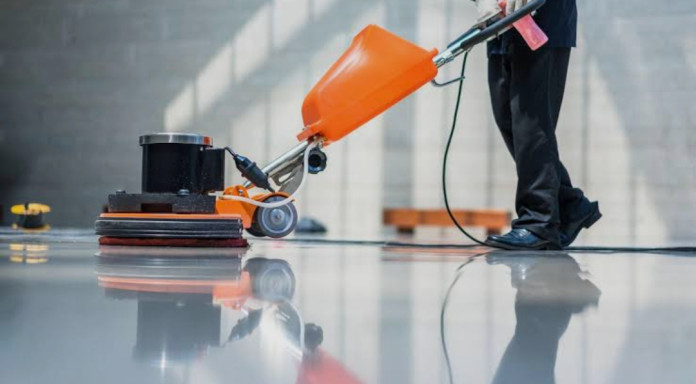
In today’s fast-paced business world, maintaining clean, safe, and durable floors in commercial spaces is a priority. At Westlink Commercial Cleaning, we provide top-tier emergency concrete polishing service in Sutherland Shire to ensure your floors are pristine and safe. From bustling retail stores to sprawling industrial warehouses, commercial floor maintenance demands innovative solutions to enhance workplace safety and operational efficiency. Thanks to cutting-edge technology, businesses can now streamline facility cleaning, reduce risks, and achieve cost-effective results. This article explores how smart cleaning systems, robotic floor scrubbers, and other digital tools revolutionize industrial floor care, offering actionable insights for facility managers and business owners.
The Role of Technology in Modern Floor Maintenance
Facility management has evolved significantly, with automation and data-driven maintenance at the forefront. Traditional janitorial services relied heavily on manual labor, which often led to inconsistent results, higher injury risks, and wasted resources. Today, smart building ecosystems integrate IoT in facility management, AI-powered cleaners, and sensor-based cleaning equipment to optimize building upkeep.
Why Safety and Efficiency Matter
- Safety: Clean, slip-resistant floors reduce workplace accidents. According to OSHA, slips, trips, and falls account for 15% of workplace injuries, costing businesses billions annually.
- Efficiency: Streamlined cleaning schedules and energy-saving features lower operational costs and improve productivity.
- Sustainability: Eco-friendly cleaning solutions, like water recycling systems, align with green building standards.
By leveraging floor care innovation, businesses can create safer environments and boost process improvement.
Key Technologies Transforming Commercial Floor Maintenance
Let’s dive into the digital solutions driving risk reduction and resource optimization in workplace upkeep.
1. Robotic Floor Scrubbers: Automation at Its Best
Autonomous robots are game-changers in commercial cleaning efficiency. Equipped with sensors and AI algorithms, robotic floor scrubbers navigate complex floor plans, avoiding obstacles and cleaning with precision. These machines handle tasks like floor scrubbing, polishing, and deep cleaning, reducing the need for manual labor.
- Safety Benefits: Robots eliminate the need for workers to operate heavy machinery, reducing ergonomic injuries. Real-time hazard alerts notify staff of wet floors or debris.
- Efficiency Gains: A single robot can clean thousands of square feet per hour, freeing staff for higher-value tasks. Battery-powered scrubbers ensure uninterrupted operation.
- Case Study: A 50,000-square-foot retail chain implemented autonomous robots in 2024, reducing cleaning time by 40% and slip-related incidents by 25%.
2. IoT and Cloud-Based Monitoring: Data-Driven Maintenance
Internet of Things (IoT) technology connects cleaning equipment to cloud platforms, enabling predictive maintenance and real-time monitoring. Smart cleaning systems track usage, water levels, and battery life, ensuring optimal performance.
- Safety Benefits: IoT sensors detect spills or hazards, triggering immediate cleaning cycles. Warning systems alert staff to potential risks.
- Efficiency Gains: Automated reporting provides insights into cleaning frequency, helping managers optimize cleaning schedules. For example, high-traffic areas receive priority attention.
- Example: A hospital using IoT-enabled scrubbers reduced downtime by 30% through predictive maintenance, ensuring floors remained hygienic.
3. UV-C Disinfection Systems: Enhancing Hygiene
UV-C disinfection systems use ultraviolet light to kill pathogens on floors, complementing traditional cleaning agents. These systems are ideal for healthcare facilities, schools, and food processing plants.
- Safety Benefits: By eliminating germs, UV-C systems reduce the risk of infections, protecting employees and customers.
- Efficiency Gains: UV-C cleaning is faster than manual disinfection, saving time and labor costs.
- Sustainability: Chemical-free disinfection supports eco-friendly cleaning solutions.
4. Anti-Slip Coatings and Smart Flooring: Proactive Safety
Slip-resistant flooring and anti-slip coatings use nanotechnology to enhance traction, even when wet. Smart flooring embedded with sensors monitors wear and tear, alerting managers to maintenance needs.
- Safety Benefits: Hazard prevention reduces slip-and-fall risks, ensuring compliance with occupational health and safety protocols.
- Efficiency Gains: Durable coatings extend floor lifespan, reducing replacement costs.
- Example: A warehouse applied anti-slip coatings, cutting slip incidents by 50% and maintenance costs by 20%.
5. AI-Powered Analytics: Optimizing Operations
AI-powered cleaners analyze data from cleaning operations to recommend improvements. For instance, AI can suggest adjusting cleaning schedules based on foot traffic patterns or energy usage.
- Safety Benefits: AI identifies high-risk areas, ensuring targeted cleaning to prevent accidents.
- Efficiency Gains: Operational workflows become more efficient, minimizing resource waste.
- Unique Insight: A 2025 study by ISSA found that AI-driven floor maintenance reduced energy consumption by 15% in commercial facilities.
Traditional vs. Tech-Driven Floor Maintenance: A Comparison
|
Aspect |
Traditional Maintenance |
Tech-Driven Maintenance |
|
Safety |
Manual cleaning increases injury risks |
Real-time hazard alerts and ergonomic equipment reduce risks |
|
Efficiency |
Time-consuming, labor-intensive |
Autonomous robots and predictive maintenance save time |
|
Cost |
High labor and resource costs |
Energy-saving features lower long-term costs |
|
Consistency |
Inconsistent results due to human error |
Sensor-based cleaning equipment ensures precision |
|
Sustainability |
Chemical-heavy, high water usage |
Water recycling systems and UV-C disinfection promote eco-friendliness |
How to Adopt Technology in Commercial Floor Maintenance: A Step-by-Step Guide
Transitioning to tech-driven maintenance requires planning. Here’s a practical guide:
- Assess Your Needs: Evaluate your facility’s size, floor type, and high-traffic areas. For example, retail stores may prioritize robotic floor scrubbers, while hospitals need UV-C disinfection systems.
- Research Solutions: Explore smart cleaning systems from reputable brands like Tennant, Kärcher, or Brain Corp. Check for battery systems and cloud platform compatibility.
- Pilot a Program: Test autonomous robots or IoT sensors in a single location to measure ROI. Track metrics like cleaning time, incident rates, and costs.
- Train Staff: Ensure employees understand warning systems and automated reporting. Provide personal protective equipment (PPE) for handling advanced tools.
- Scale Gradually: Expand floor care innovation across multiple sites, integrating predictive maintenance software for long-term success.
Challenges and Solutions in Tech Adoption
- Challenge: High upfront costs for robotic floor scrubbers or smart flooring.
- Solution: Lease equipment or invest in modular systems to spread costs.
- Challenge: Staff resistance to automation.
- Solution: Highlight how digital tools reduce physical strain and create new roles, like data analysis.
- Challenge: Integration with existing janitorial operations.
- Solution: Partner with vendors offering cloud-based monitoring and training support.
Specialist Pressure Washing Services in Sutherland Shire Sydney
Not every property is the same, which is why we offer specialized solutions tailored to your needs. For businesses requiring exterior cleaning, our high pressure cleaning Sutherland Shire services ensure spotless storefronts, parking lots, and outdoor areas, tackling salt buildup, algae, and grime with eco-friendly techniques.
The Future of Commercial Floor Maintenance
Emerging trends promise even greater advancements:
- AI and Machine Learning: Enhanced AI algorithms will predict maintenance needs with greater accuracy.
- Green Technology: Water recycling systems and biodegradable cleaning agents will dominate.
- Robotics Advancements: Next-gen autonomous robots will handle multiple tasks, from polishing to waxing.
Conclusion
Technology is transforming commercial floor maintenance, making it safer, more efficient, and sustainable. From robotic floor scrubbers to IoT in facility management, these digital tools empower businesses to protect employees, cut costs, and enhance building upkeep. By adopting smart cleaning systems and following a strategic implementation plan, facility managers can stay ahead in the evolving world of industrial floor care. Start exploring floor care innovation today to create a cleaner, safer, and more productive workplace.
FAQs About Technology in Commercial Floor Maintenance
Q: How do robotic floor scrubbers improve safety?
A: They reduce manual labor, minimizing ergonomic injuries, and use real-time hazard alerts to prevent slips.
Q: Are UV-C disinfection systems safe for employees?
A: Yes, when used correctly, UV-C systems are chemical-free and comply with occupational health standards.
Q: What’s the ROI of smart cleaning systems?
A: Businesses typically see a 20–40% reduction in labor costs and a 15–25% drop in maintenance expenses within 1–2 years.
Q: Can small businesses afford floor care innovation?
A: Leasing options and modular digital solutions make technology accessible for smaller budgets.