
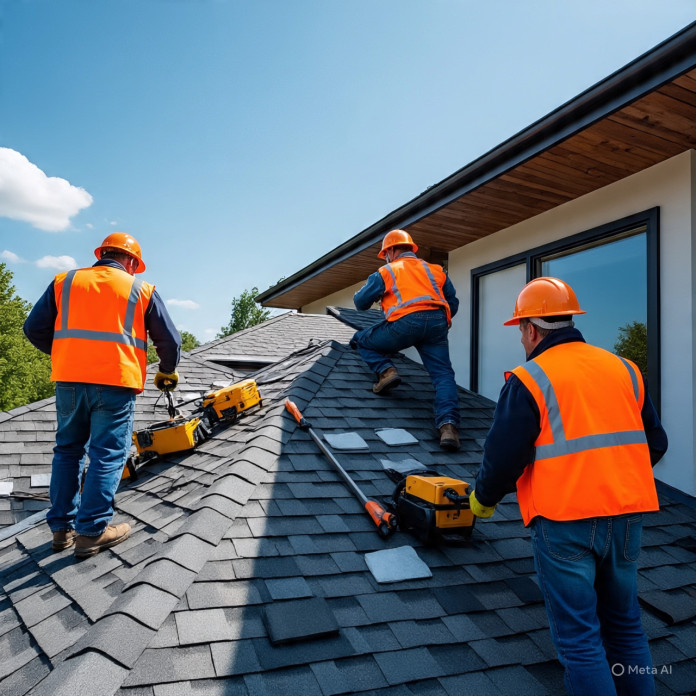
A roof is one of the most vital—and expensive—components of your home. Yet many homeowners adopt a “set it and forget it” mindset, assuming that once it’s installed, it doesn’t need attention until something leaks. The truth is, regular maintenance plays a critical role in maximizing your roof’s lifespan and minimizing the need for expensive roof repair work later on.
Neglect leads to premature failure. But with a few smart habits and seasonal check-ins, you can keep your roof performing at its best for decades. Here’s how.
1. Perform Biannual Inspections
The best time to inspect your roof is during spring and fall. These check-ups allow you to catch minor issues before extreme weather—like summer heat or winter snow—turns them into major problems.
What to look for:
- Missing, curling, or cracked shingles
- Rusted flashing around chimneys or vents
- Moss or algae growth
- Soft spots or sagging areas
- Granule buildup in gutters (a sign of aging shingles)
If you’re not comfortable climbing onto your roof, use binoculars for a visual inspection from the ground or hire a professional roof inspection service to conduct a professional assessment.
2. Clean Gutters Regularly
Clogged gutters cause water to back up under the roofing material and onto the fascia, leading to wood rot and eventual structural issues. Clean your gutters at least twice a year—more often if you have nearby trees.
Also, ensure downspouts are directing water at least five feet away from the foundation.
Gutter maintenance is a simple task that prevents major issues from forming and reduces the need for emergency roof repair.
3. Trim Overhanging Branches
Branches that hang over your roof can rub against shingles, wear them down, and eventually tear them off during a storm. They also drop leaves and debris that collect in valleys and gutters.
Keep branches trimmed back at least 6–10 feet from your roofline. This not only prevents physical damage but also reduces the risk of critters—like squirrels or raccoons—accessing your attic.
4. Keep the Roof Surface Clean
Moss, algae, and debris are not just cosmetic issues. Moss traps moisture against your shingles, causing them to degrade faster. Algae can eat away at roofing materials over time.
To clean:
- Use a garden hose (not a pressure washer, which can damage shingles)
- Apply a roof-cleaning solution safe for your specific roofing material
- Rinse gently, and always work from top to bottom to prevent water intrusion
Avoid bleach-based products, as they can strip protective coatings off your shingles. If buildup is extensive, contact professionals like Ridge Runner Roofing for safe removal.
5. Monitor Attic Ventilation and Insulation
A well-ventilated attic prevents heat and moisture buildup, which can warp the roof deck, reduce shingle lifespan, and create conditions for mold growth.
Check that soffit and ridge vents are clear of insulation and debris. Your attic should feel close in temperature to the outdoor air—not stifling hot in summer or frigid in winter.
Good insulation also prevents ice dams by reducing uneven roof temperatures. These dams cause water to back up under shingles, leading to leaks and structural decay.
6. Seal Flashing and Check Penetrations
Flashing protects the joints where different parts of your roof meet: chimneys, skylights, vents, and valleys. When flashing cracks, rusts, or loosens, water can seep in quickly.
Inspect these areas during your seasonal checkups. Look for:
- Gaps in sealant
- Rust streaks
- Discoloration or moisture stains inside your attic
Reapplying sealant or replacing small sections of flashing is a relatively minor task—but one that can prevent the need for major roof repair down the line.
7. Address Issues Immediately
Don’t wait for a small problem to turn into a full-blown roofing emergency. A single missing shingle may not seem urgent—but one heavy rain or gust of wind can cause that vulnerable spot to expand rapidly.
Warning signs to act on immediately:
- Water stains on your ceiling or walls
- Increased energy bills from poor insulation
- Mold or mildew smell in your attic
- Obvious external damage after a storm
Acting fast can mean the difference between a simple patch and thousands of dollars in replacement work.
If you’re unsure whether an issue warrants immediate attention, consult a professional team like Ridge Runner Roofing for an honest evaluation.
8. Maintain Roof-Adjacent Structures
Your roof isn’t just impacted by what sits above it. Satellite dishes, solar panels, rooftop HVAC units, and even antennas must be securely mounted and checked regularly.
Loose mounts or poor installation can damage the roof’s waterproof barrier. Be cautious with any work that involves screwing or anchoring into the roofing system. Always use flashing and proper sealants designed for roof penetrations.
9. Understand the Roof’s Age and Material Limits
Knowing the expected lifespan of your specific roofing material helps set realistic expectations:
- Asphalt shingles: 15–30 years
- Metal roofing: 40–70 years
- Clay tiles: 50–100 years
- Slate: Up to 200 years with maintenance
Even with perfect upkeep, no roof lasts forever. When you’re within 5–7 years of its expected lifespan, start budgeting and planning for replacement rather than continued roof repair.
10. Document Everything
Keep a log of:
- Inspection dates and notes
- Photos of any damage or repairs
- Receipts and warranties for any work done
This documentation helps you:
- Track aging patterns
- Prove warranty eligibility
- Provide helpful records when selling your home
It also enables roofing professionals to assess your system more efficiently during future visits.
Final Thought: Maintenance Pays You Back
Routine roof maintenance isn’t just about avoiding leaks—it’s about preserving the overall health and value of your home. A proactive approach reduces long-term costs, extends your roof’s lifespan, and gives you peace of mind in every season.
You don’t have to be a roofing expert to care for your home. You just need a routine, a watchful eye, and the occasional check-in with trusted professionals like Ridge Runner Roofing.
When your roof is well cared for, it protects everything else you love. And that’s an investment worth maintaining.